
Atlantic Salmon
208 kcal · 20 g protein per 100 g · 1 fillet (170 g)
Food Guide — 60 foods, values checked per 100 g
Energy, protein, carbs, fat and fibre for the foods people actually eat — each with a typical portion, a plain-English note, and numbers you can compare fairly. No health halos, no scare stories: just the values, checked.
208 kcal · 20 g protein per 100 g · 1 fillet (170 g)
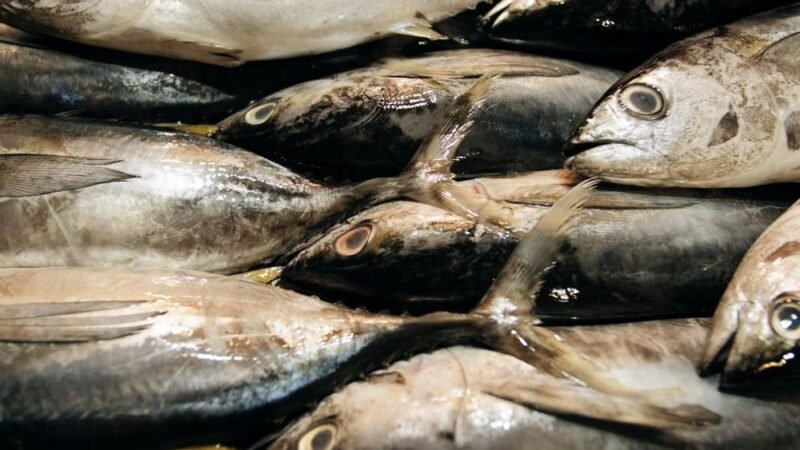
116 kcal · 26 g protein per 100 g · 1 small tin, drained (120 g)

165 kcal · 31 g protein per 100 g · 1 cooked breast (172 g)
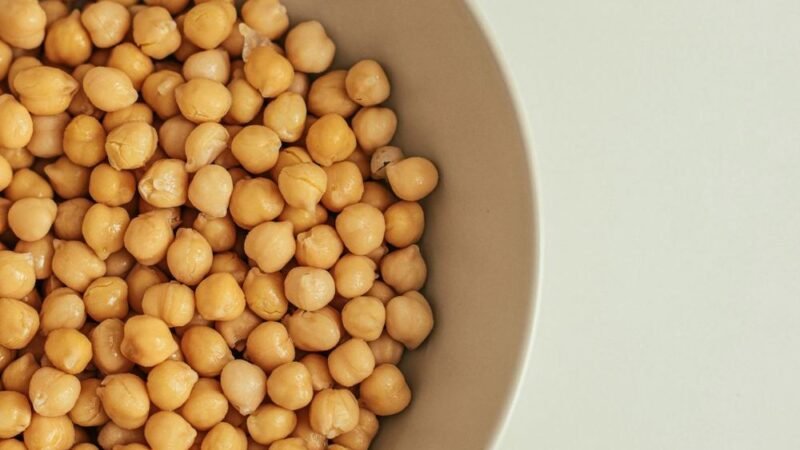
164 kcal · 9 g protein per 100 g · 1 cup cooked (164 g)

121 kcal · 11 g protein per 100 g · 1 cup shelled (155 g)

155 kcal · 13 g protein per 100 g · 1 large egg (50 g)

217 kcal · 26 g protein per 100 g · 1 patty (120 g)
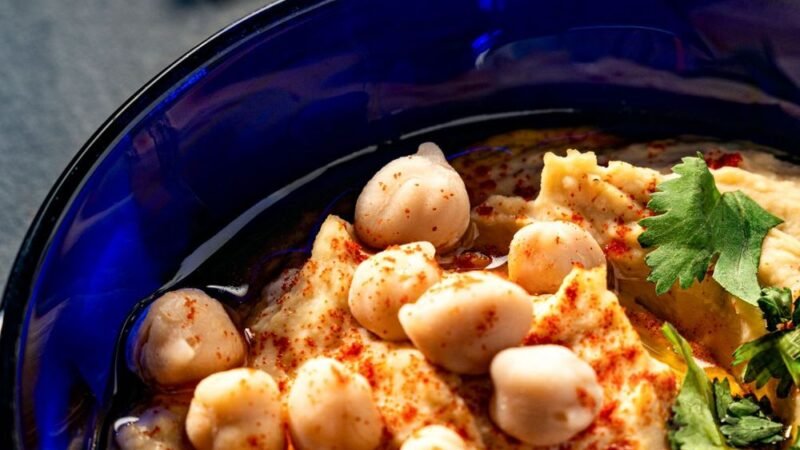
166 kcal · 8 g protein per 100 g · 1/4 cup (60 g)

116 kcal · 9 g protein per 100 g · 1 cup cooked (198 g)
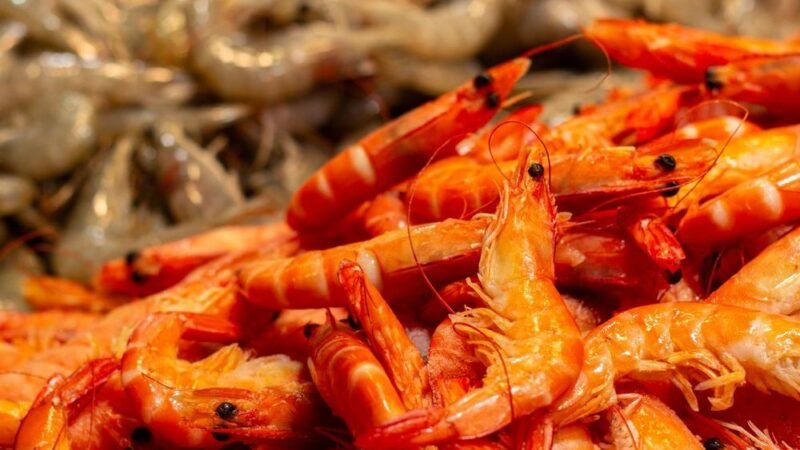
99 kcal · 24 g protein per 100 g · 6 large prawns (90 g)
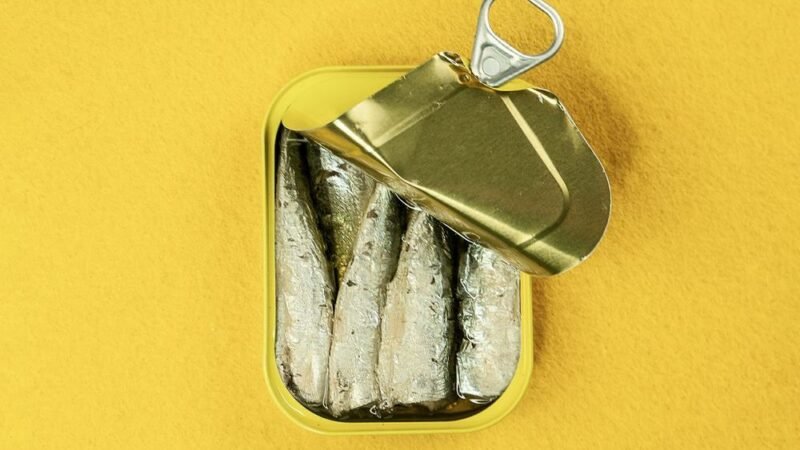
208 kcal · 24.6 g protein per 100 g · 1 small tin (100 g)
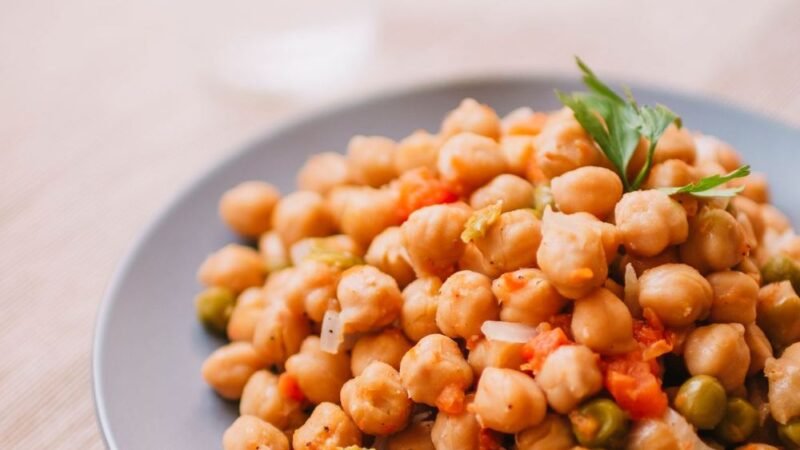
193 kcal · 19 g protein per 100 g · 1/2 block (100 g)
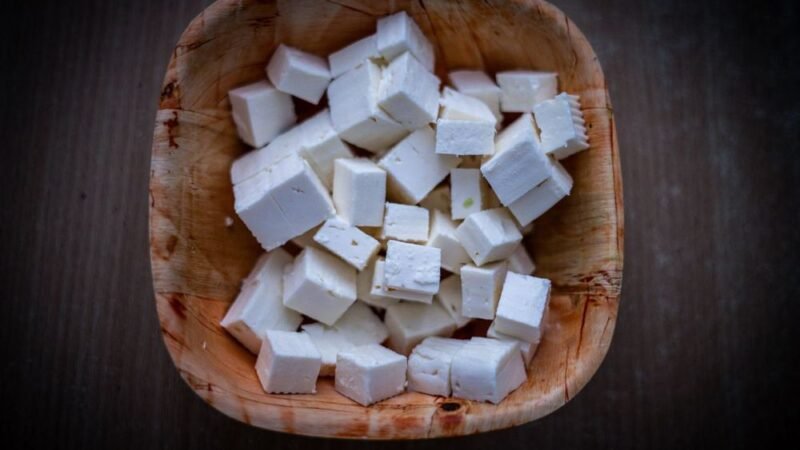
76 kcal · 8.1 g protein per 100 g · 1/2 block (125 g)
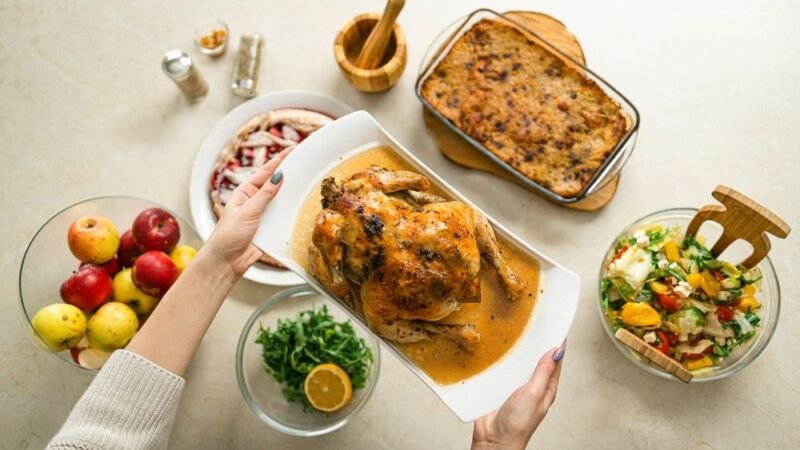
135 kcal · 30 g protein per 100 g · 1 cooked breast portion (150 g)

402 kcal · 25 g protein per 100 g · 1 matchbox piece (30 g)

98 kcal · 11.1 g protein per 100 g · 1/2 cup (113 g)

59 kcal · 10 g protein per 100 g · 1 small pot (170 g)
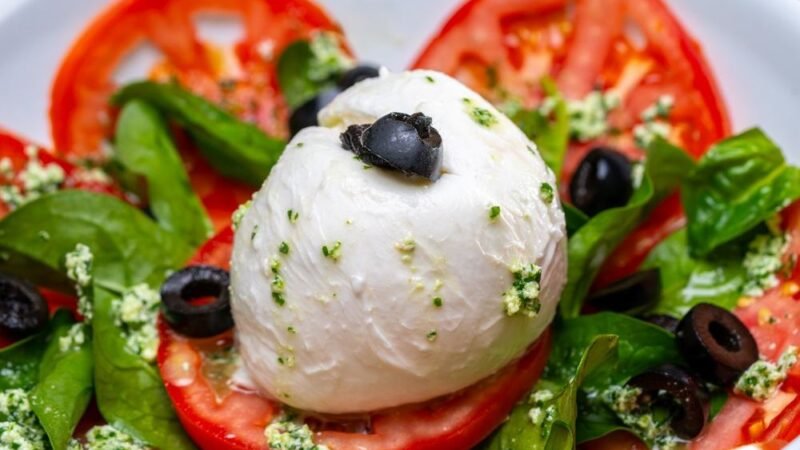
280 kcal · 28 g protein per 100 g · 1 thick slice (30 g)
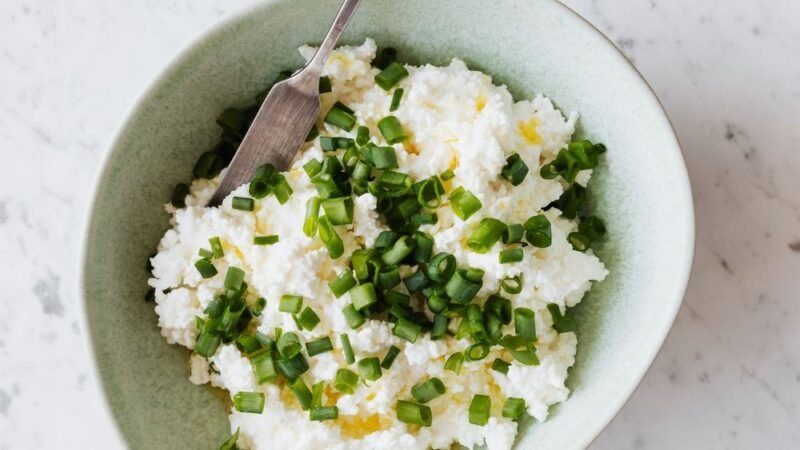
265 kcal · 18 g protein per 100 g · 1/2 cup cubes (120 g)

61 kcal · 3.2 g protein per 100 g · 1 glass (244 g)

112 kcal · 2.6 g protein per 100 g · 1 cup cooked (195 g)

112 kcal · 3.8 g protein per 100 g · 1 cup cooked (157 g)

380 kcal · 10 g protein per 100 g · 1/2 cup dry (55 g)
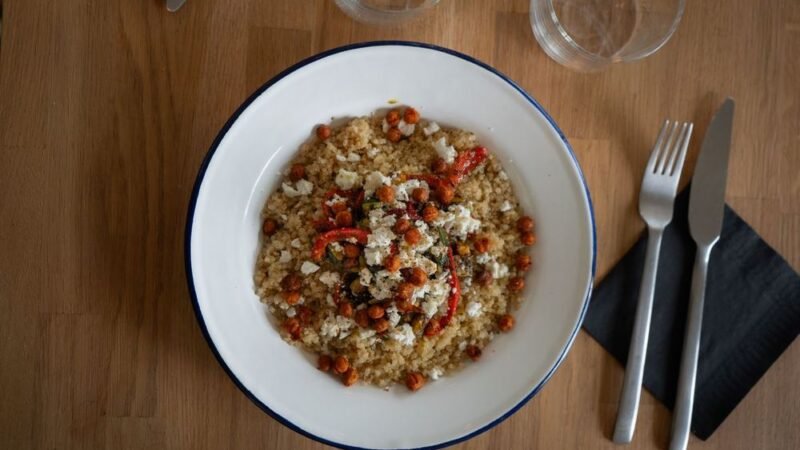
120 kcal · 4.4 g protein per 100 g · 1 cup cooked (185 g)

389 kcal · 16.9 g protein per 100 g · 1/2 cup dry (40 g)

130 kcal · 2.7 g protein per 100 g · 1 cup cooked (158 g)
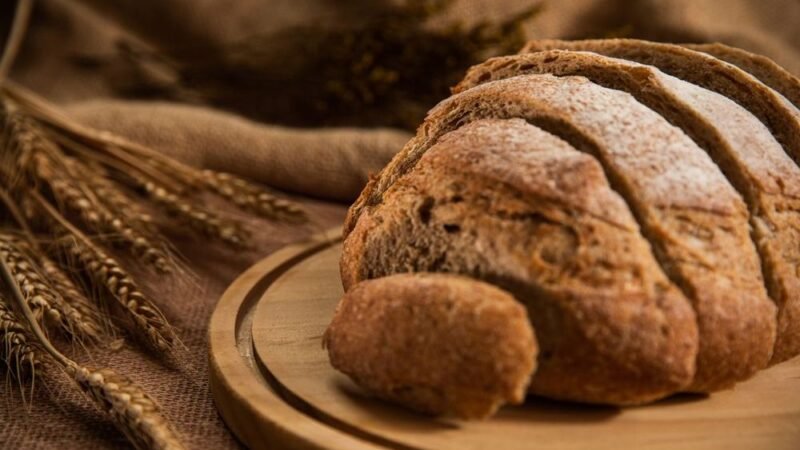
247 kcal · 13 g protein per 100 g · 1 slice (32 g)

124 kcal · 5.3 g protein per 100 g · 1 cup cooked (140 g)

52 kcal · 0.3 g protein per 100 g · 1 medium (182 g)
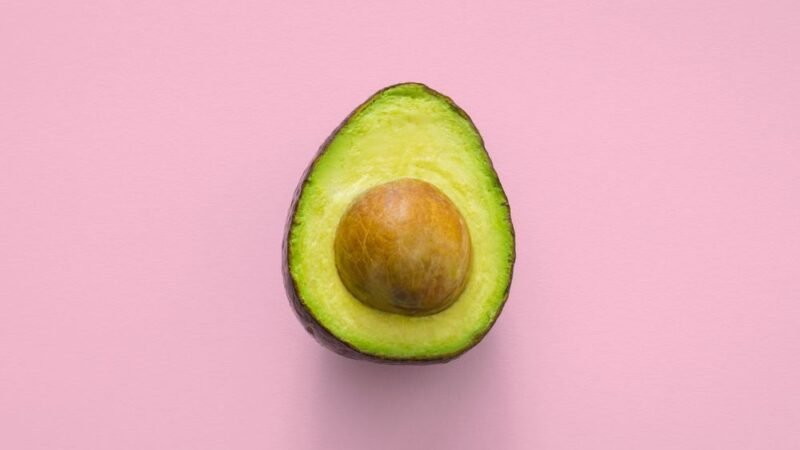
160 kcal · 2 g protein per 100 g · 1 fruit (150 g)

89 kcal · 1.1 g protein per 100 g · 1 medium (118 g)

57 kcal · 0.7 g protein per 100 g · 1 cup (148 g)

277 kcal · 1.8 g protein per 100 g · 3 dates (72 g)
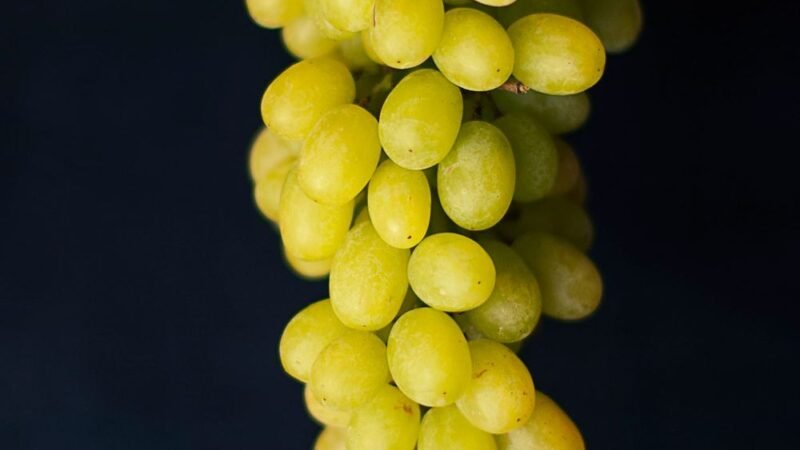
69 kcal · 0.7 g protein per 100 g · 1 cup (151 g)
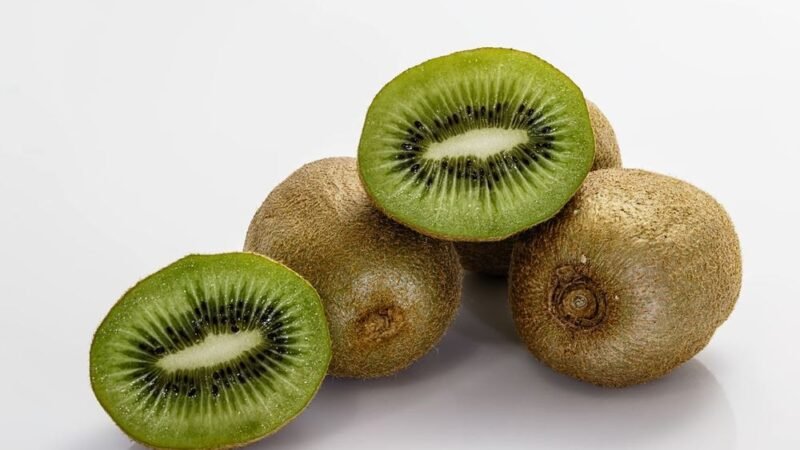
61 kcal · 1.1 g protein per 100 g · 1 fruit (69 g)

60 kcal · 0.8 g protein per 100 g · 1 cup sliced (165 g)
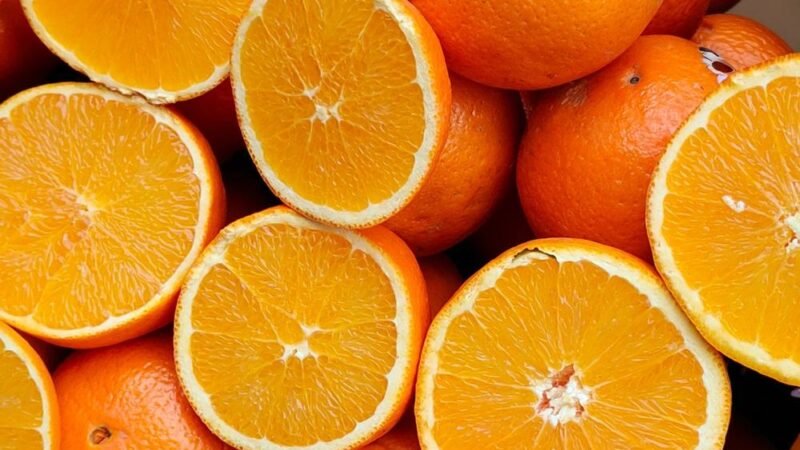
47 kcal · 0.9 g protein per 100 g · 1 medium orange (131 g)
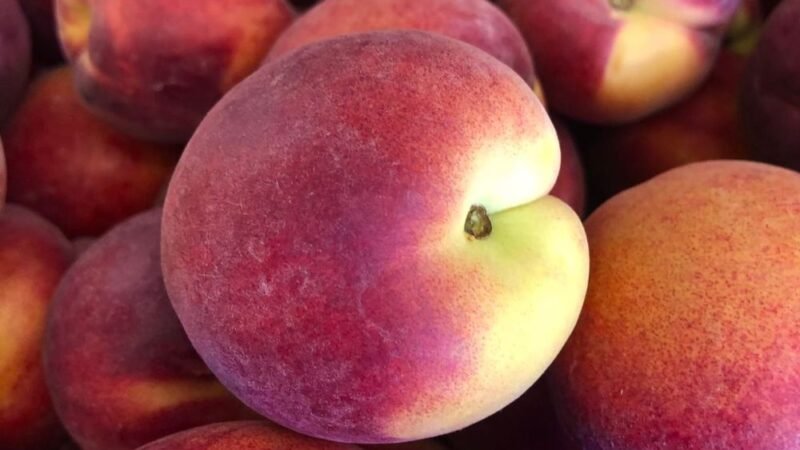
39 kcal · 0.9 g protein per 100 g · 1 medium peach (150 g)
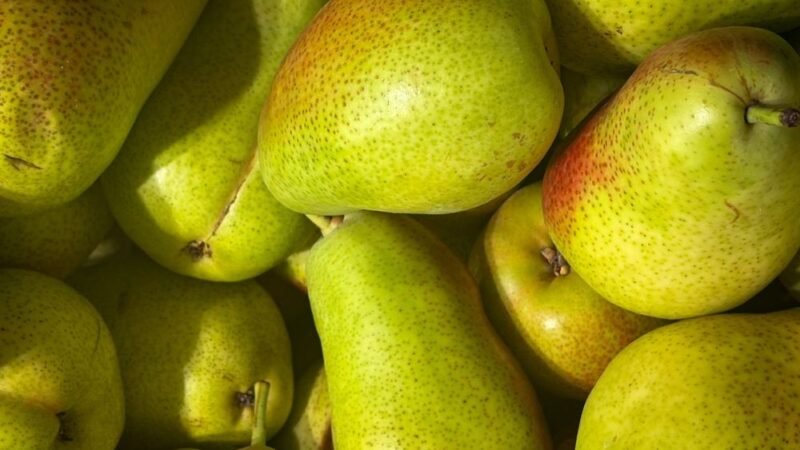
57 kcal · 0.4 g protein per 100 g · 1 medium pear (178 g)

50 kcal · 0.5 g protein per 100 g · 1 cup chunks (165 g)

299 kcal · 3.1 g protein per 100 g · 1 small box (43 g)

32 kcal · 0.7 g protein per 100 g · 1 cup halves (152 g)
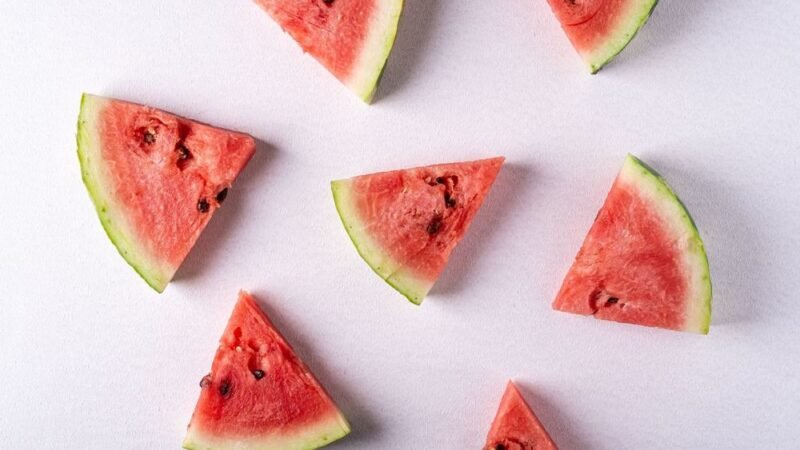
30 kcal · 0.6 g protein per 100 g · 1 wedge (286 g)

43 kcal · 1.6 g protein per 100 g · 1 medium beet (82 g)
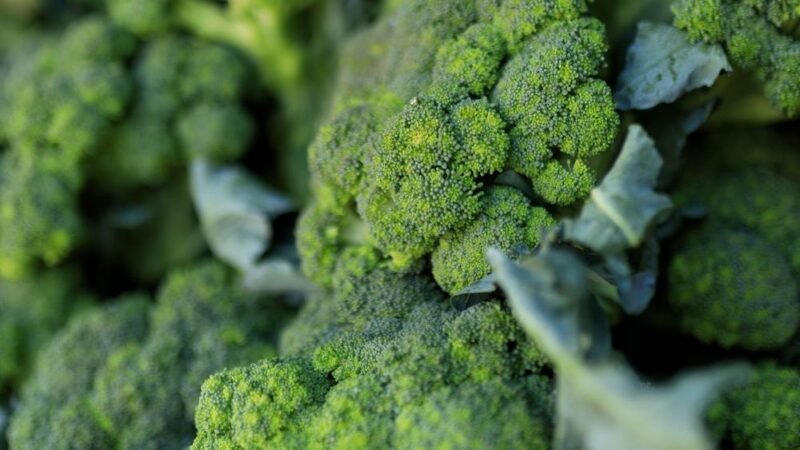
34 kcal · 2.8 g protein per 100 g · 1 cup florets (91 g)

41 kcal · 0.9 g protein per 100 g · 1 medium carrot (61 g)
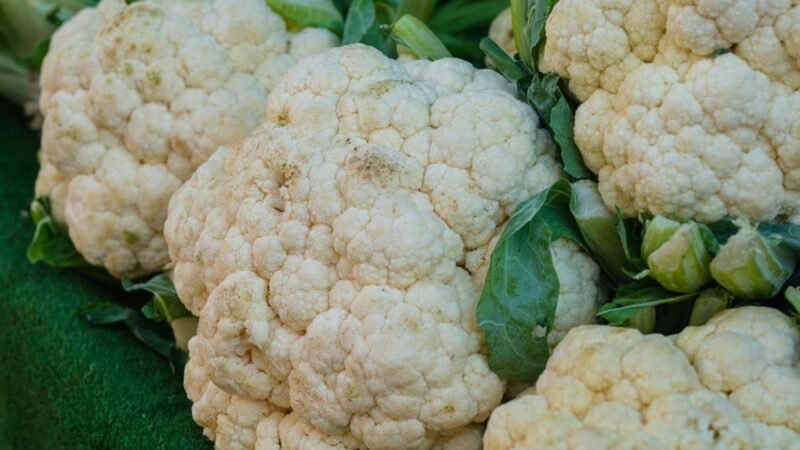
25 kcal · 1.9 g protein per 100 g · 1 cup florets (100 g)
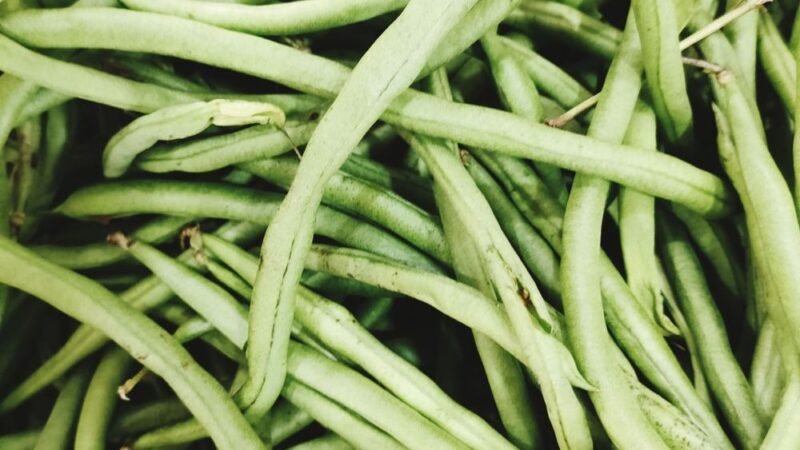
31 kcal · 1.8 g protein per 100 g · 1 cup (100 g)

22 kcal · 3.1 g protein per 100 g · 1 cup sliced (70 g)
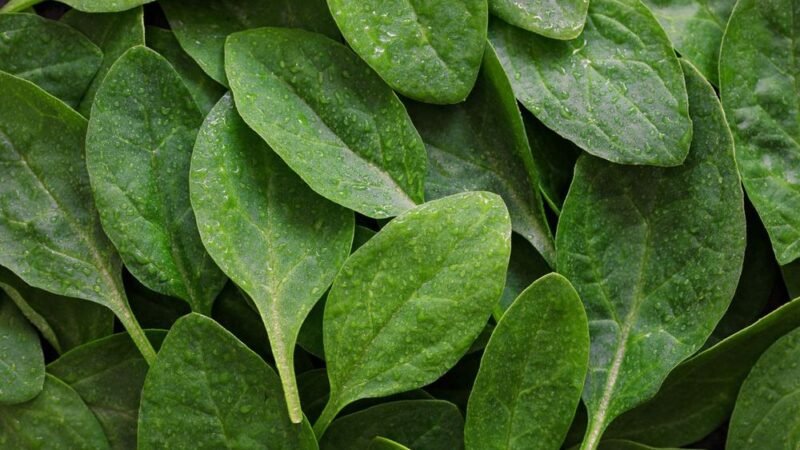
23 kcal · 2.9 g protein per 100 g · 2 cups raw (60 g)

86 kcal · 1.6 g protein per 100 g · 1 medium (130 g)
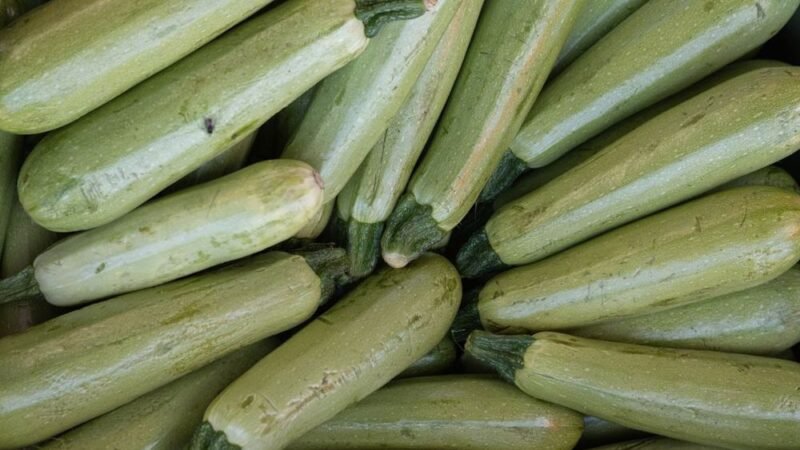
17 kcal · 1.2 g protein per 100 g · 1 medium (196 g)

579 kcal · 21 g protein per 100 g · 1 small handful (28 g)

553 kcal · 18 g protein per 100 g · 1 small handful (28 g)

486 kcal · 17 g protein per 100 g · 1 tablespoon (12 g)

884 kcal · 0 g protein per 100 g · 1 tablespoon (14 g)

588 kcal · 25.1 g protein per 100 g · 2 tablespoons (32 g)
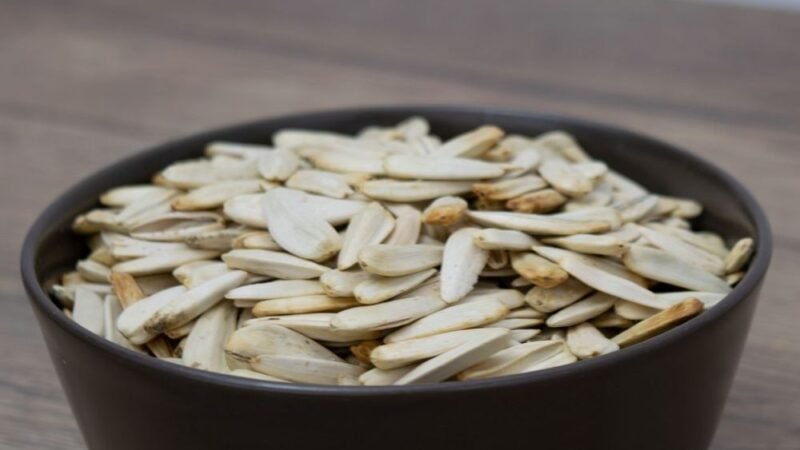
584 kcal · 21 g protein per 100 g · 1 tablespoon kernels (10 g)

595 kcal · 17 g protein per 100 g · 1 tablespoon (15 g)

654 kcal · 15.2 g protein per 100 g · 1 small handful (28 g)
Every value is given per 100 g — the standard reference amount that lets you compare foods fairly — plus a typical portion, because nobody eats 100 g of everything. A food that looks modest per 100 g can still be a big portion in real life, and the other way round: the portion line keeps both views honest.
Standard food-composition reference values for the raw or plainly cooked food, rounded to sensible precision. Exact values vary with variety, season, brand and cooking method, so treat the figures as a reliable guide for comparisons rather than laboratory readings of the item on your plate.
In this guide, Chicken Breast leads at 31 g of protein per 100 g. Protein density tells a different story — Prawns gives the most protein per 100 kcal. The full rankings live in NutriScope.
Yes — NutriScope, our food-comparison page, lets you duel any two foods in the guide portion against portion, browse six nutrient rankings and compare whole families side by side.