
Blood Sugar
Fasting Blood Glucose
This test measures the glucose in your blood at a single moment, after fasting for at least eight hours. It is a…
Lab Tests — 30 tests explained in plain English
What each test measures, why it is ordered, and how to read the number on your report — without the jargon. Every page is written in general terms and checked against published sources.
This test measures the glucose in your blood at a single moment, after fasting for at least eight hours. It is a…
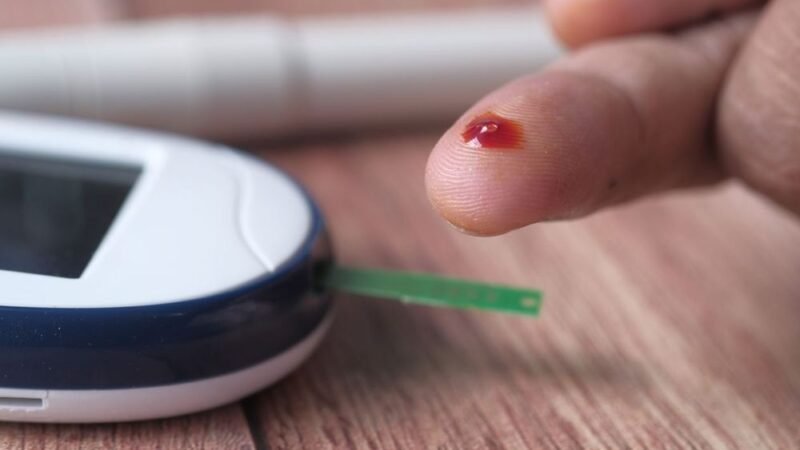
HbA1c reflects your average blood glucose over roughly the previous two to three months, because glucose sticks to haemoglobin inside red blood…

ApoB is a protein found on each atherogenic lipoprotein particle, so its level effectively counts the number of those particles in your…

HDL cholesterol is the fraction carried in high-density lipoprotein particles, involved in transporting cholesterol away from tissues toward the liver. It is…

LDL cholesterol is the cholesterol carried in low-density lipoprotein particles, the fraction most directly linked in research with plaque build-up in arteries.…

A lipid profile reports total cholesterol, HDL cholesterol, LDL cholesterol (often calculated) and triglycerides in one blood sample. Together these values describe…

Triglycerides are the main form in which fat is stored and transported in the body. The blood level reflects recent meals, alcohol,…

This test counts and describes your red blood cells, white blood cells and platelets, and reports haemoglobin and related red-cell indices. It…
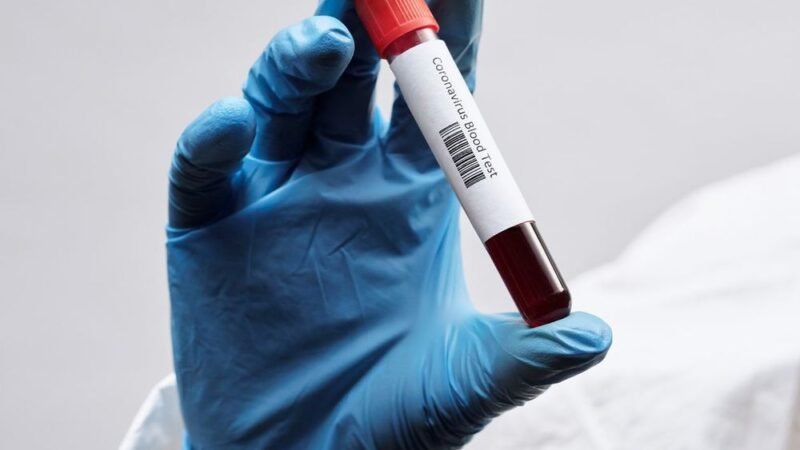
Ferritin reflects the amount of iron stored in your body and is often checked alongside haemoglobin when iron status is being looked…

Haemoglobin is the oxygen-carrying protein inside red blood cells, reported as part of the complete blood count. It is the value most…

Platelets are the small blood particles that form clots to stop bleeding. Their count is part of the complete blood count and…

Serum iron measures the iron currently circulating in your blood attached to its transport protein. Unlike ferritin, which reflects stores, serum iron…

This count measures your total white blood cells, the immune cells that respond to infection and inflammation. It is part of the…

Free T4 measures the unbound, active fraction of thyroxine, one of the main hormones the thyroid gland produces. It is often measured…

TSH is a pituitary hormone that tells the thyroid gland how much thyroid hormone to make, so it is usually the first…
Creatinine is a waste product of normal muscle metabolism that the kidneys filter from the blood. Its level is used, together with…
eGFR is not measured directly; it is calculated from your creatinine result plus your age and sex to estimate how much blood…
Potassium is the main electrolyte inside your cells and is essential for normal heart rhythm and muscle function. Blood potassium is part…

Sodium is the main electrolyte in the fluid outside your cells and is central to fluid balance and nerve function. It is…

Uric acid is a waste product made when the body breaks down purines from food and its own cells. The kidneys remove…

ALT is an enzyme concentrated inside liver cells, and its level in blood is used as one signal of liver cell irritation…
AST is an enzyme found in liver, muscle and other tissues, reported as part of a standard liver panel alongside ALT. Because…

Folate testing measures a B vitamin needed to build DNA and red blood cells. It is commonly checked alongside B12 because the…

This test measures cobalamin, a vitamin needed for red blood cell formation and normal nerve function. It is often checked when anaemia,…

This blood test measures 25-hydroxyvitamin D, the storage form your body uses to keep vitamin D available. It is the standard way…

This test measures the total calcium in your blood, both the portion bound to proteins and the free, active portion. Calcium is…

Cortisol is the adrenal hormone that helps regulate energy, blood pressure and the stress response, following a daily rhythm that peaks in…
LH is a pituitary hormone that signals the ovaries or testes to produce sex hormones and, in women, triggers ovulation. It is…
Prolactin is a pituitary hormone best known for its role in milk production after childbirth. Outside pregnancy it is checked when investigating…

This test measures the total amount of testosterone circulating in the blood, including the fraction bound to proteins. It is one of…
Start with three things: the value itself, the unit, and the reference range printed beside it on your own report. The range matters more than any number you find online, because ranges are set by each laboratory for its method and population. Then read the test's page here to understand what the marker reflects — and discuss what it means for you with your doctor.
Laboratories use different analysers, methods and reference populations, and ranges also vary with age and sex. A result flagged "high" at one lab might sit inside another lab's range. That is why these pages explain what a test measures in general terms instead of printing one universal range.
Some tests — fasting glucose and parts of a lipid profile, for example — are traditionally measured after an 8–12 hour fast, while many others need no preparation at all. Follow the instructions on your own test request: they override any general guidance, including ours.
No — and no website honestly can. A number only means something alongside your history, symptoms, medicines and other results. These pages explain the tests so you can have a better conversation with your clinician; they are not medical advice and cannot diagnose anything.