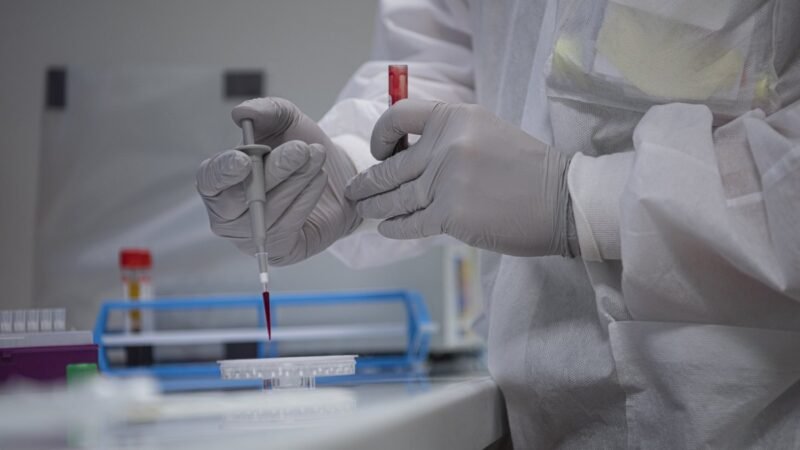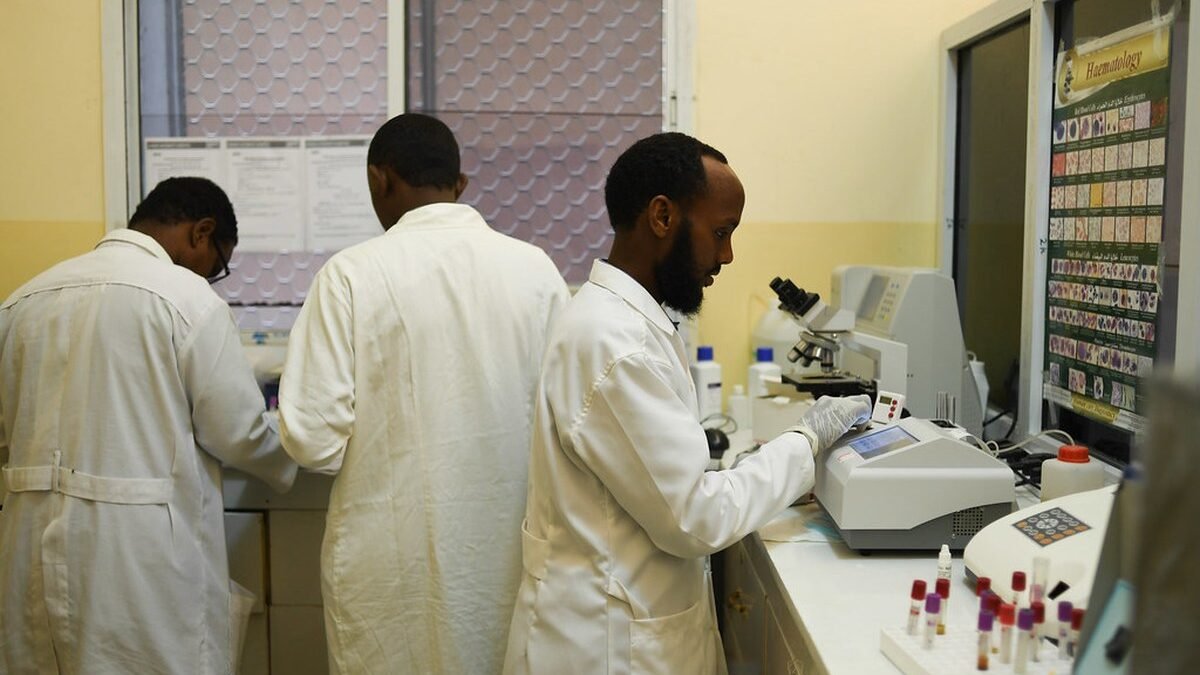
The thyroid gland, sitting at the front of the neck, produces hormones that set the pace of metabolism in almost every tissue. Because symptoms of thyroid problems — fatigue, weight change, feeling cold or jittery — overlap with many other conditions, blood tests do most of the diagnostic work. Three tests account for the majority of thyroid panels: TSH, free T4, and thyroid antibodies. This article explains what each measures in general terms; your own results always need interpreting against your symptoms, medications and history with your clinician.
TSH: the signal from the pituitary
Thyroid-stimulating hormone (TSH) is made not by the thyroid but by the pituitary gland, and it works like a thermostat’s demand signal. When thyroid hormone levels fall, TSH rises to push the gland harder; when levels are high, TSH drops. This inverse relationship makes TSH a sensitive early indicator: it often moves out of range before hormone levels themselves do.
A typical adult reference range is roughly 0.4-4.5 mIU/L, though ranges vary by laboratory, age and pregnancy status. A high TSH with a normal free T4 is usually called subclinical hypothyroidism; a low TSH with normal free T4 is subclinical hyperthyroidism. “Subclinical” states are common, frequently monitored rather than treated immediately, and a meaningful share normalise on repeat testing — one reason clinicians usually confirm an abnormal TSH with a second sample after some weeks.
Free T4 (and sometimes free T3)
Thyroxine (T4) is the main hormone the thyroid releases. Most of it circulates bound to proteins; the “free” fraction is the small portion available to tissues, which is why free T4 is the standard measurement. When TSH is abnormal, free T4 shows whether the gland’s output is actually low, normal or high, which determines the category of the problem.
T3 is the more active hormone, converted from T4 in tissues. Free T3 is not part of routine hypothyroid testing — it stays normal until late in gland failure — but it is useful when hyperthyroidism is suspected, since some overactive glands secrete excess T3 while T4 remains normal.
Antibody tests: looking for the cause
- TPO antibodies (anti-TPO): raised in Hashimoto’s thyroiditis, the commonest cause of hypothyroidism in iodine-sufficient countries. They indicate autoimmune attack on the gland and predict a higher chance of progression.
- TSH-receptor antibodies (TRAb): associated with Graves’ disease, where antibodies stimulate the gland into overproduction.
- Thyroglobulin antibodies: sometimes measured alongside, mainly relevant in thyroid-cancer follow-up.
Antibodies explain why function is changing; they are not usually repeated often, because their levels do not track symptoms or guide dose adjustments the way TSH does.
Things that distort thyroid results
Several common factors can mislead. High-dose biotin supplements can interfere with many thyroid assays and produce falsely low TSH and high T4 readings — laboratories often advise stopping biotin a few days before testing. Acute illness, recent pregnancy, and medicines including amiodarone, lithium and some cancer immunotherapies also shift results. TSH has a daily rhythm and rises slightly with age, so borderline values in older adults are interpreted cautiously before any treatment is considered.
Practical takeaways
Expect TSH first, free T4 to classify, and antibodies to explain. Ask for a repeat test if a single borderline result surprises you, mention supplements and medicines when you are tested, and be wary of anyone offering thyroid treatment based on symptoms plus a single in-range number. If you are prescribed levothyroxine, TSH is typically rechecked about six to eight weeks after any dose change — that interval reflects how slowly the system equilibrates.