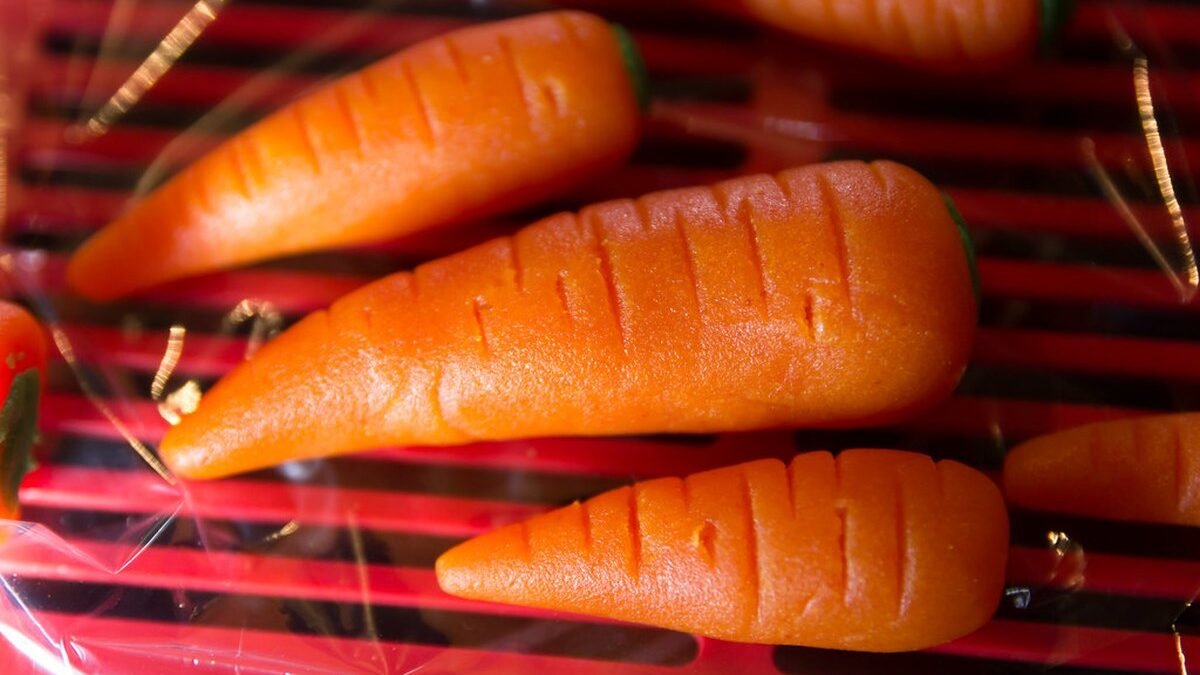
Generations of children have been told to eat their carrots because carrots help you see in the dark. Behind this particular myth sits an unusually good story: it was amplified by British wartime propaganda designed to hide a military secret. The real science is more modest and more interesting. Carrots are genuinely good for your eyes in one specific way, but no amount of them will give a healthy person night vision beyond the normal range.
The claim
In its strong form, the claim says eating carrots significantly improves your ability to see at night, sometimes extended to improving eyesight in general. In its weak form, it says carrots are good for eye health. The weak form contains some truth. The strong form, the one used to sell the vegetable to reluctant children and, historically, to an entire nation, does not hold up.
Where it came from
During the Second World War, Britain’s Royal Air Force began using airborne radar to intercept German bombers at night, a major technological advantage it wanted to keep secret. The Air Ministry instead promoted the story that its pilots, notably the ace John Cunningham, nicknamed Cat’s Eyes, owed their night success to eating plenty of carrots. Newspapers repeated it, and the Ministry of Food’s campaigns urged citizens to eat carrots, which were plentiful under rationing, to help them see during blackouts. The tale was memorable, plausible-sounding and useful, and it outlived the war by decades. Historians debate how much the story actually fooled German intelligence, but its effect on British dinner tables is not in doubt.
What the evidence actually shows
The biological kernel is real. Carrots are rich in beta-carotene, which the body converts to vitamin A. Vitamin A is essential for producing rhodopsin, the pigment in the retina’s rod cells that detects low light. Genuine vitamin A deficiency does cause night blindness, difficulty seeing in dim light, and remains a serious cause of preventable blindness in parts of the world where deficiency is common. Correcting a deficiency restores night vision toward normal.
The catch is the word deficiency. In people who already get enough vitamin A, which includes most people eating a reasonably varied diet in wealthy countries, extra beta-carotene does not push night vision beyond normal, because the retina’s chemistry does not work on a more-is-better basis. Trials giving beta-carotene or vitamin A to well-nourished adults do not show improved night sight or general vision. Excess vitamin A from supplements can even be harmful, though beta-carotene from food is converted under the body’s control and is much safer. Other nutrients matter for eyes too: leafy greens provide lutein, and oily fish provide omega-3 fats, but none of them upgrades a healthy eye into a night scope.
The honest bottom line
Carrots support eye health as part of a varied diet and can fix night blindness caused by vitamin A deficiency. They will not sharpen a healthy person’s night vision, correct short sight or replace glasses. It is a wartime cover story with a vitamin attached, and as myths go, a fairly harmless one, since the vegetable it promotes is nutritious anyway.
Practical takeaways
Eat carrots because they are cheap, versatile and rich in beta-carotene, not because they will let you read in the dark. For night vision and eye health generally, a varied diet, not smoking, and regular eye examinations do more than any single vegetable ever will.


