Few nutrition slogans are as durable as ‘breakfast is the most important meal of the day’. The phrase was popularised by cereal marketing a century ago and later supported by observational studies linking breakfast eaters to lower body weight and better health. But observational links are confounded — people who eat breakfast also tend to smoke less, earn more and exercise more. When researchers finally ran randomised trials assigning people to eat or skip breakfast, the slogan mostly fell apart.
The honest position is more interesting than either extreme: breakfast is neither magic nor a mistake. It is a meal-timing choice whose value depends on who you are and what the meal actually contains.
What the trials show for weight
A widely cited 2019 meta-analysis in the BMJ pooled randomised trials and found that people assigned to eat breakfast consumed about 260 more calories per day and weighed slightly more (around half a kilogram) after several weeks than those assigned to skip it. Skipping breakfast did not trigger the compensatory overeating later in the day that folklore predicts — lunch intake rose only slightly. Separate trials in adults with obesity reached similar conclusions: recommending breakfast neither caused nor prevented weight loss in any meaningful way.
That does not mean skipping is a weight-loss strategy either. The differences are small in both directions, and longer-term data are limited. Weight is decided by total intake over weeks and months, and both patterns can fit comfortably inside that equation.
Metabolism, energy and performance
The idea that breakfast ‘kick-starts’ a slow morning metabolism is not supported — diet-induced thermogenesis is proportional to what you eat, whenever you eat it, and metabolic rate does not stall without a morning meal. For cognitive work, evidence in adults is mixed: some people feel and perform fine fasted, others notice poorer concentration, with habitual breakfast eaters most likely to feel the absence.
Exercise is clearer-cut in one specific case: hard morning training. Studies of endurance and high-intensity performance generally favour having eaten beforehand, or at least having carbohydrates available, while easy training fasted is well tolerated by most. For strength training the evidence is thinner, but a completely empty tank before a heavy session rarely helps anyone’s performance or mood.
Where breakfast genuinely matters
- Children and adolescents: the evidence here is friendlier to breakfast — trials and reviews link morning eating with better short-term attention and school performance, particularly in undernourished children. This is the group the slogan fits best.
- People managing blood sugar: meal timing interacts with glucose control and medication schedules; this is individual territory where professional guidance beats internet rules.
- Protein distribution: for people chasing muscle or fighting age-related muscle loss, breakfast is a useful opportunity — research on protein distribution suggests spreading protein across the day, including a protein-containing morning meal, supports muscle protein synthesis better than back-loading everything into dinner.
Quality beats timing
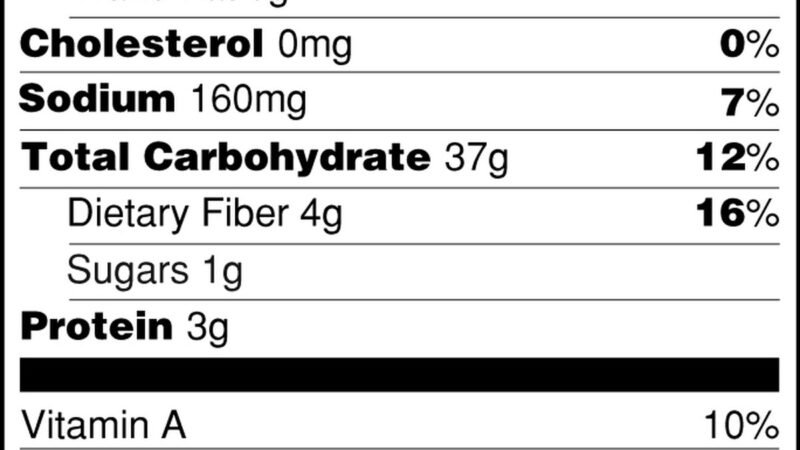
What the observational studies probably captured is that a deliberate, nutrient-dense breakfast is a marker of an organised life — not that the clock time confers metabolic magic. A breakfast of eggs, yoghurt, oats and fruit and a breakfast of pastries and juice are both ‘eating breakfast’, with very different consequences. Conversely, a skipper who eats a solid lunch is not harming themselves by missing a meal they do not want.
Decide by appetite, schedule and total daily intake. If you wake hungry, eat something with protein and fibre. If you do not, there is now decent trial evidence that you can wait until lunch without metabolic penalty.
Practical takeaways
- Trials show breakfast neither causes weight loss nor prevents it; total daily intake matters more.
- Skipping breakfast does not appear to slow metabolism or trigger major overeating later.
- Breakfast matters most for children, hard morning training, and hitting daily protein targets.
- If you eat it, make it count: protein and fibre beat sugar and refined starch.