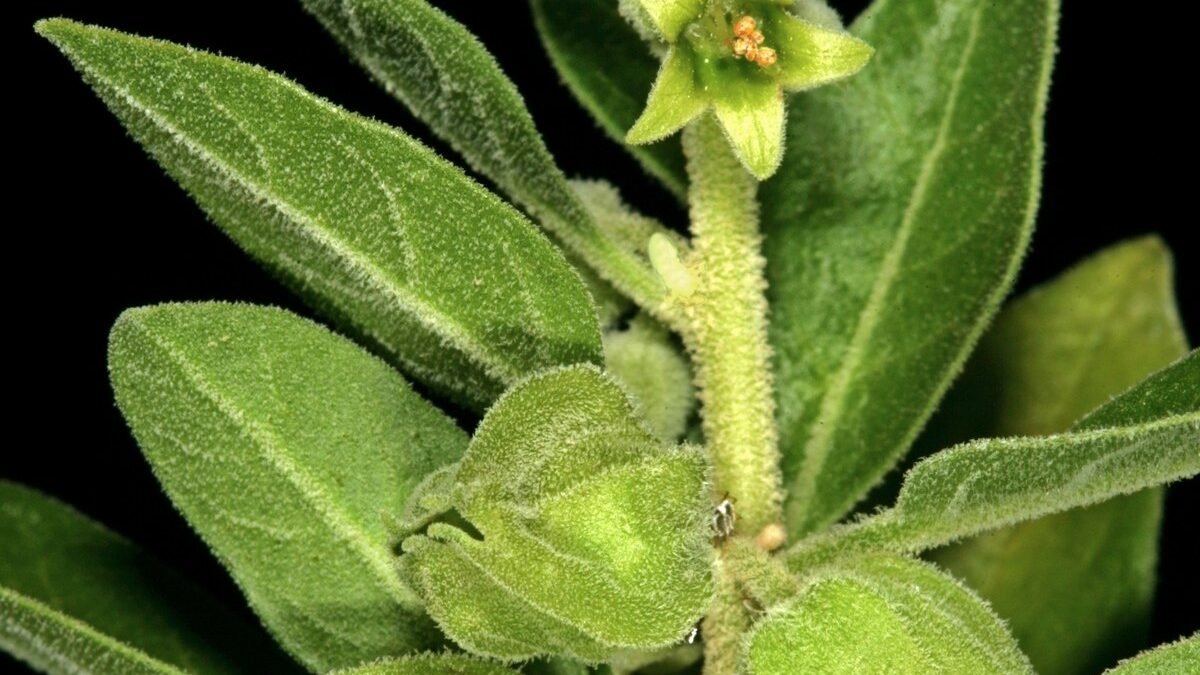
Ashwagandha (Withania somnifera) is an Ayurvedic herb that has moved firmly into the mainstream supplement market, marketed for stress, sleep, testosterone and strength. Unlike many botanicals, it has been tested in a reasonable number of randomised controlled trials — enough that systematic reviews can say something meaningful. The honest summary: the evidence is promising for stress and anxiety, modest for physical performance, and the safety conversation deserves as much attention as the benefits.
Stress, anxiety and sleep: the strongest case
Multiple trials and meta-analyses find that ashwagandha root extract reduces perceived stress and anxiety compared with placebo, alongside reductions in cortisol in several studies. Effect sizes are moderate, trials are typically short (around eight weeks) and many are small or industry-funded, which tempers confidence — but the direction of results is fairly consistent. It is among the better-supported herbal options for stress, while still falling short of the certainty we would want for a firm recommendation.
Sleep findings follow a similar pattern: reviews suggest small improvements in overall sleep quality, with somewhat larger effects in people with insomnia and at higher doses used for at least eight weeks. It is not a sedative in the pharmaceutical sense, and it will not override poor sleep habits, caffeine timing or an untreated sleep disorder.
Strength, testosterone and performance
A handful of trials in resistance-training men have found small additional gains in strength and muscle size versus placebo over eight weeks, along with modest increases in testosterone. Meta-analyses of the testosterone data show small average increases, most relevant to men with low-normal levels; there is no good evidence of meaningful effects in women, and no basis for expecting dramatic changes in anyone. Think of the performance evidence as ‘possibly a small nudge’ rather than a proven ergogenic aid in the class of creatine.
Cautions and who should avoid it
This is where ashwagandha coverage is often too casual. Reported side effects are usually mild — digestive upset, headache, drowsiness — but there are important exceptions:
- Liver injury: case reports and case series have linked ashwagandha products to liver injury in a small number of users. Rare, but real; stop and seek care if jaundice, dark urine or severe nausea appear.
- Thyroid effects: ashwagandha may increase thyroid hormone levels, which matters for people with hyperthyroidism or those taking thyroid medication.
- Pregnancy: it is traditionally and prudently advised against in pregnancy due to potential abortifacient effects at high doses.
- Medication interactions: possible interactions with sedatives, immunosuppressants and diabetes or blood-pressure medication, since it may lower blood sugar and pressure.
- Autoimmune conditions: as an immunomodulating herb, caution is generally advised.
Quality varies widely between products, and heavy-metal contamination has been documented in some Ayurvedic supplements sold online — third-party-tested brands from regulated markets are the safer choice.
If you decide to try it
Most trials used 300 to 600 mg per day of a standardised root extract, taken for at least eight weeks before judging. Treat it as an experiment with an end date: define what you are hoping changes (stress scores, sleep quality), reassess, and stop if nothing improves. And tell your clinician — supplement use is exactly the kind of detail that matters when symptoms or blood tests need interpreting.
Practical takeaways
- Evidence is moderately supportive for stress and anxiety, modest for sleep, small for strength and testosterone.
- Trials are short and often small or industry-funded — keep expectations calibrated.
- Real cautions exist: liver case reports, thyroid effects, pregnancy, and several drug interactions.
- Use standardised, third-party-tested products at studied doses (300–600 mg), and reassess after about eight weeks.


